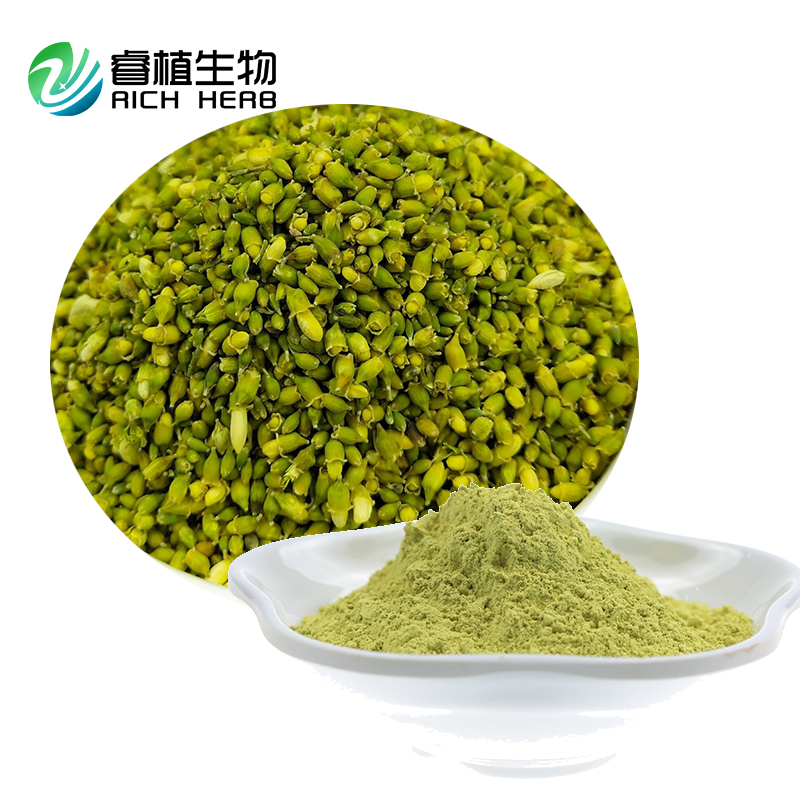

Product Details
Product Name | Troxerutin |
CAS No. | 7085-55-4 |
MF | C33H42O19 |
MW | 742.67500 |
Appearance | Light yellow powder |
Troxerutin is a semi-synthetic flavonoid derivative classified as a hydroxyethylrutoside, appearing as a yellow to light brown crystalline powder. This bioactive compound has a molecular formula of C33H42O19 and molecular weight of 742.68 g/mol, consisting of a quercetin backbone modified with rutinoside and hydroxyethyl groups. The compound demonstrates moderate water solubility that increases with temperature and pH, while exhibiting good solubility in polar organic solvents such as ethanol and dimethyl sulfoxide. Troxerutin shows stability under normal storage conditions when protected from light and moisture, with optimal stability observed at temperatures below 25°C. Analytical characterization typically involves HPLC with UV detection at 257 nm and 350 nm, showing characteristic absorption peaks of flavonoid compounds. The pharmaceutical-grade material contains ≥95% purity, with strict control of related substances including quercetin (≤1.0%) and rutin (≤2.0%). The crystalline structure features multiple phenolic hydroxyl groups that contribute to both its antioxidant properties and pH-dependent solubility profile. The compound's log P value of approximately 1.5 indicates moderate lipophilicity, influencing its membrane permeability and
Application & Function
Troxerutin functions primarily as a venoactive and microcirculation-improving agent through multiple mechanisms including free radical scavenging, inhibition of inflammatory mediators, and reduction of capillary permeability. This multifaceted activity makes it clinically valuable for treating chronic venous insufficiency, hemorrhoids, and varicose veins at typical oral doses of 300-600 mg three times daily. The compound demonstrates particular efficacy in diabetic microangiopathy by protecting endothelial cells from hyperglycemia-induced damage through its antioxidant and anti-inflammatory properties. In ophthalmology, troxerutin formulations are used to treat retinal vein occlusion and diabetic retinopathy by improving retinal blood flow and reducing vascular leakage. The compound's ability to stabilize lysosomal membranes and inhibit hyaluronidase activity contributes to its anti-edematous effects in post-surgical and traumatic swelling. Additional applications include neuroprotection against ischemic stroke and cognitive impairment through its blood-brain barrier penetrating capability and mitochondrial protective effects. Troxerutin's favorable safety profile, with rare reported side effects at therapeutic doses, has led to its widespread use in long-term vascular health management. Emerging research suggests potential applications in chemotherapy-induced vascular toxicity prevention and as an adjuvant in metabolic syndrome management through its lipid-modulating and insulin-sensitizing effects. The compound's synergistic effects with other flavonoids enhance its therapeutic value in complex vascular disorders.